GRC,unfiltered.
Benchmarks that name names, execution playbooks you can run this week, and hard opinions we'll defend in an audit. No theater, just what actually works.
Featured
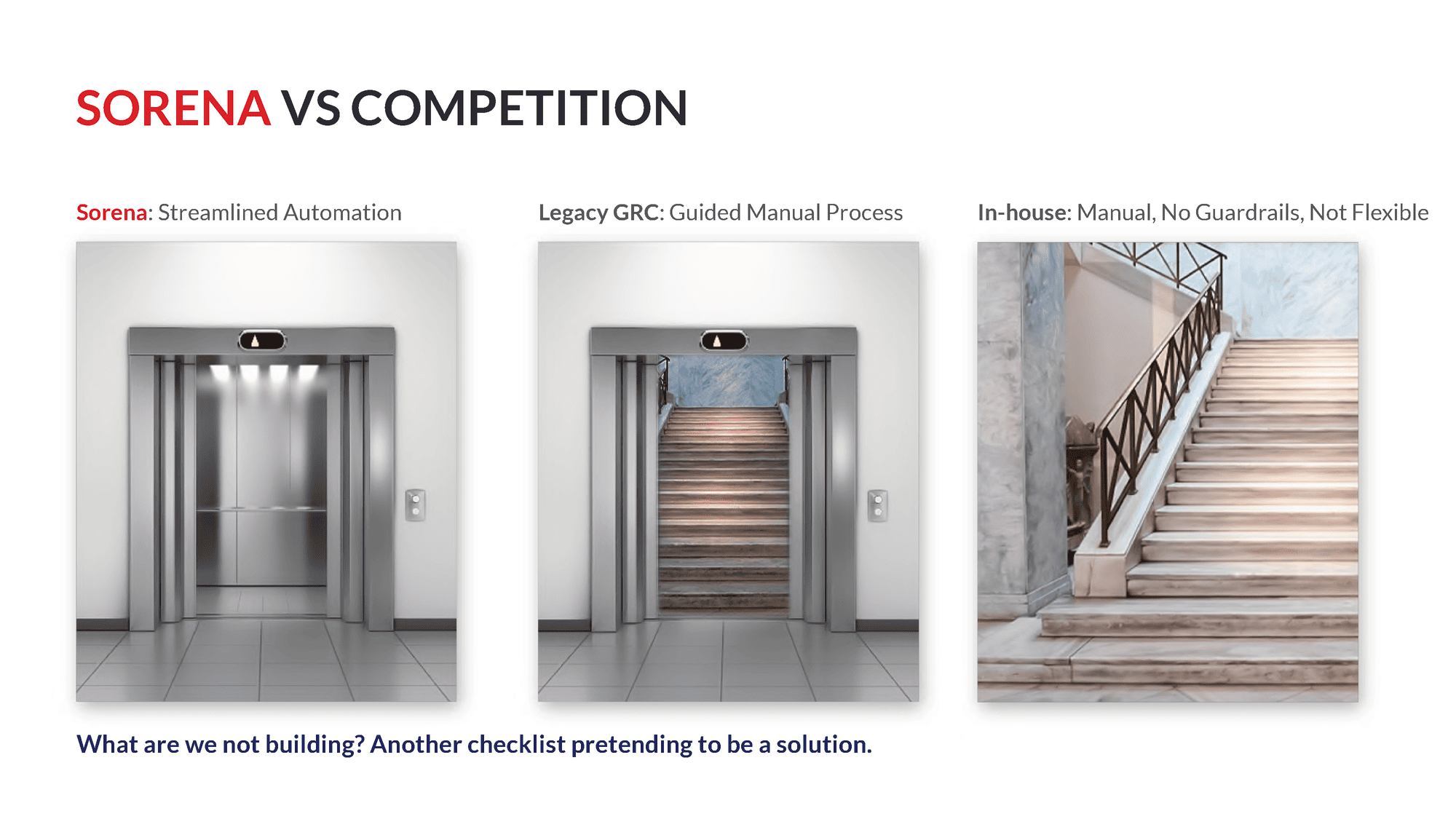
Your GRC Tool Tracks Work. Ours Does the Work.
Most teams have the GRC expertise they need. Their operating model creates constant friction. Change where the work happens.
Latest posts
Your GRC Tool Tracks Work. Ours Does the Work.
Most teams have the GRC expertise they need. Their operating model creates constant friction. Change where the work happens.
People. Process. Technology. + AI.
PPT+AI extends the classic operating model. AI can observe how work runs, execute bounded tasks, measure results, and recommend improvements. People approve decisions and change.
A Two-Word Amendment Can Break Your Compliance.
A useful change alert identifies the amended clause and shows the old and new text. Reviewers need to see redefined terms, shifted thresholds, and changed dates.
Accept, Mitigate, or Transfer. But Decide on Purpose.
Every material risk in your register needs a response: accept it, avoid it, mitigate it, or share or transfer it. Without a decision, the organization keeps carrying the exposure.
Coverage Is the Number That Actually Matters.
A fluent answer can still miss obligations. Measure coverage: did the system catch everything you owe?
Give Legal a Structured First Pass
When a contract sits in a legal queue, AI can extract clauses and compare them with a playbook before counsel reviews the exceptions. Legal keeps the judgment calls.
How to Benchmark AI for Compliance
A high generic benchmark score does not prove that an AI can do compliance work. Multiple-choice tests like MMLU measure answer selection, while compliance work also requires complete, source-grounded output. Test the system on the work you plan to give it.
Make Your AIs Argue Before You Believe Them.
Ask several specialized agents to answer independently and reconcile their results. Agreement is useful; disagreement tells you to stop and review the claim.
One Average Score Can Hide Category Failures.
A headline benchmark number can hide a model that scored well on GDPR and failed the EU AI Act. GRC buyers need the per-framework breakdown.

Route Regulatory Changes Before Enforcement.
An alert can reach the owner in time to act. An enforcement letter arrives after the regulator has set the terms.
Stored Knowledge Is Useful Only When People Can Retrieve It.
Centralizing your data is only half the job. If the system cannot pull the exact passage when someone asks, the knowledge might as well not exist. Indexing and retrieval make stored knowledge usable.
Your AI Is Only as Good as What It's Allowed to Read.
Grounding lets the model read your sources. The sources you allow shape every response, so curate the trusted set and remove stale or unreliable material.
Your ESG Data Is Scattered Across Six Teams.
A CSRD filing can pull from finance, operations, procurement, HR, product, and suppliers, with hundreds of datapoint decisions that were never designed to line up. Producing the report is easier than governing its data.
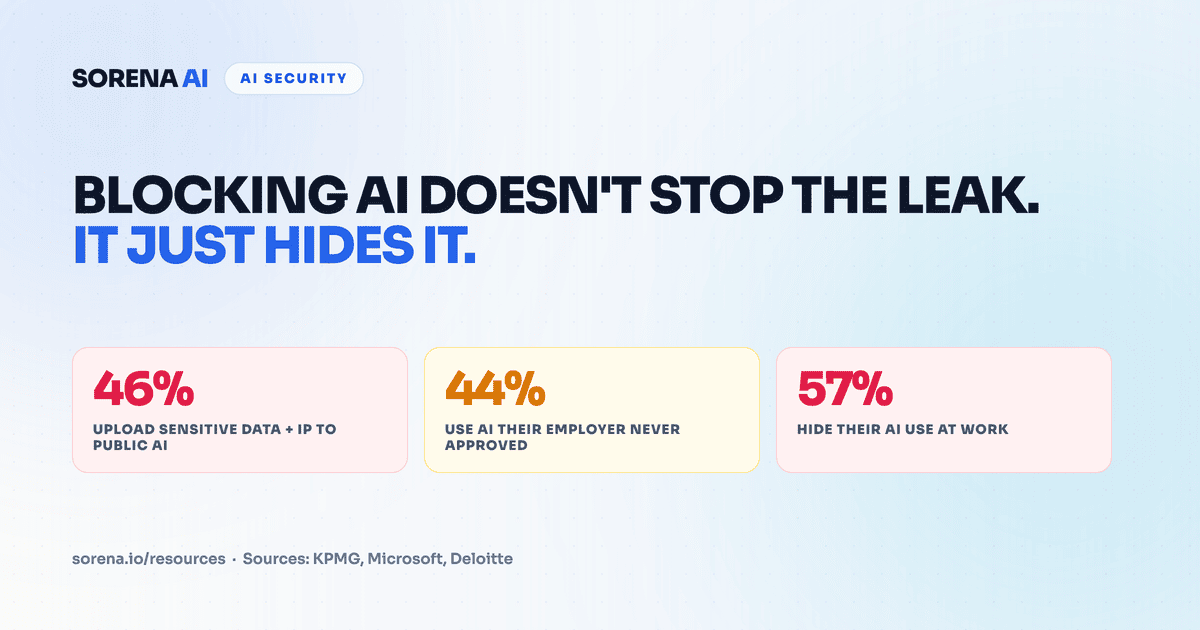
A Ban Can Push Workplace AI Use Out of Sight.
Companies fear private files ending up in personal AI accounts, so they block AI. Employees route around the block, and now the leak is invisible. Give them a governed AI they want to use.
A Cross-Tenant Data Leak Can Cost You the Customer.
Another company's data appearing in a customer's workspace can end the relationship. Isolation and least privilege are basic requirements for trust.
AI Drafts It. A Human Approves It. Nobody Chases It.
The system handles collection, mapping, and drafting. A human owns the judgment and sign-off, with the approval trail built into the workflow.
Audit Season Should Be Boring.
The last-minute audit scramble comes from collecting evidence only when the auditor shows up. Gather it continuously and the audit can be a routine review.
Bring Your Own Model. Keep Your Own Control.
The model market changes fast. Keep the model swappable and the control permanent instead of tying governance to one provider.
Check Which ESG Rules Apply Before You Report.
Teams can spend a reporting cycle on frameworks that do not cover them while missing the ones that do. Check scope by size, sector, geography, and reporting year before collecting evidence.
Find the Relevant Clauses Before Reading the Whole Stack.
Most regulatory questions turn on one clause, recital, annex, or cross-reference. AI should find and cite that passage. Your expert should judge it.
If Your AI Can't Cite It, Treat It as Unproven.
An AI answer with no source attached is a claim you cannot check. In GRC, that makes it unusable, no matter how confident it sounds.
Map Each Regulatory Change to the Work It Affects.
A regulatory alert identifies a change. Impact analysis maps it to the controls, policies, obligations, evidence, and owners that may need action.
Nobody Complies With a PDF. Turn It Into Tasks.
A framework contains obligations that need owners and due dates. Until you extract each one into a task, the PDF sits on a drive and nothing changes.
Not Every Risk Deserves a Meeting.
When every risk gets the same alert, the same review, and the same seat at the table, the one that actually matters gets buried. Score impact and likelihood, decide against appetite, and stop spending your best people on noise.
Reuse Approved Questionnaire Answers While the Facts Still Match.
Many security questionnaires and RFPs ask the same control questions in a slightly different order. Your team retypes the same answers every quarter. Answer once, ground it, reuse it until the facts change.

The Contract Clause You Skipped Can Cost You.
Under deadline, teams skim indemnities, liability caps, auto-renewals, and data clauses. AI can flag those terms; humans decide what matters.
The Law Changed Overnight. Your Compliance Didn't.
Regulators, supervisory authorities, and standards bodies keep moving the rulebook. Most companies find out about the changes that matter far too late, and not from a clean alert. They find out from a fine, a customer questionnaire, or a failed audit.
Track the Renewal Clause Before the Notice Window Closes.
The auto-renewal fired while you were busy, the termination window closed, and now you are carrying another term. Nobody was tracking the dates.
Twelve Compliance Tools Can Create Twelve Conflicting Copies.
When the same policy sits in a wiki, a drive, a spreadsheet, and four SaaS tools, every copy can drift. Give each fact one authoritative record.
Ungrounded AI Can Produce Unsupported Answers.
An AI is only as trustworthy as the material it is allowed to read. Without relevant sources, it can fill the gap with plausible invention. Ground it in curated, trusted sources, or expect fiction.
Unlogged Risks Stay Outside Your Controls.
Someone may notice a material risk and never put it on the register. You cannot govern what you never captured, so give every material risk one governed place to land.
Unowned Risks Go Untreated.
Every risk in your register needs an owner. If nobody is assigned, the default outcome is drift: no treatment decision, no escalation path, and no evidence that anyone accepted the exposure on purpose.
Use Independent Model Review to Surface Weak Answers.
A single model gives you one fluent answer. Ask several specialized agents to challenge the same claim, and idiosyncratic errors are easier to catch before they reach you.
Your Backlog Does Not Move the Deadline.
The AI Act, NIS2, DORA, and CSRD run on published legal milestones. A date moves by formal legal change, not because your team was busy. Plan backward from the date in force with named owners and collected evidence.
Your Board Wants One Live View. You're Sending Forty Emails.
The board asks one question: where do we stand on risk? Answering it can mean days of chased emails, merged spreadsheets, and slides that are stale before the meeting starts. Give everyone one live view.
Your Compliance Answers Are Trapped in Tools That Don't Talk.
The answer to the auditor's question often exists across several tools. Connect them so people spend less time moving the same facts by hand.
Your Contracts Are Data. You're Storing Them Like Paper.
Every contract contains obligations, dates, and risk. Left only inside a PDF, that data is hard to use. World Commerce and Contracting found poor contracting erodes value equivalent to almost 9% of annual revenue. Extract the terms into structured records while preserving the signed document.
Your Sustainability Report Now Needs an Audit Trail Like Your Books.
Under the CSRD, in-scope sustainability statements are subject to external assurance. Sustainability data needs an audit trail that shows where each reported figure came from.
AI Agents Following Malicious Instructions Is a Real Security Problem
AI agents can act on malicious instructions embedded in content. We reduce the risk by restricting sources, permissions, tools, and high-risk actions.
AI's Energy Use Belongs in ESG Decisions.
AI consumes electricity and physical infrastructure at scale. We have a responsibility to account for that impact and use the technology to reduce ESG waste.
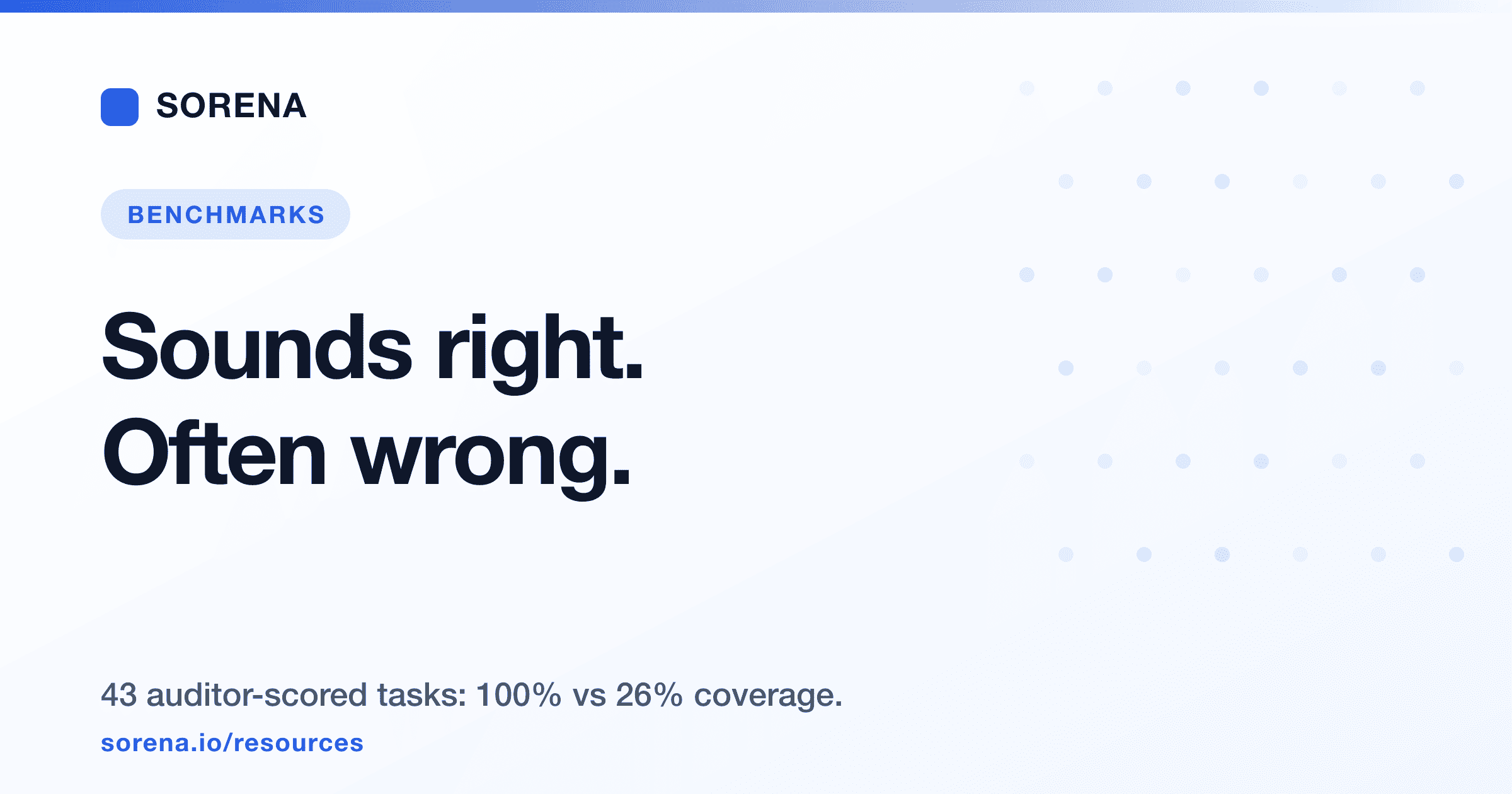
General-Purpose AI in GRC: Coverage and Factual Accuracy.
We compared Sorena AI with a general-purpose AI across 43 auditor-scored GRC tasks, measuring coverage and factual errors.
Stop reading about it.See it run.
Book a demo and watch Sorena take one real compliance workflow from question to audit-ready output.